













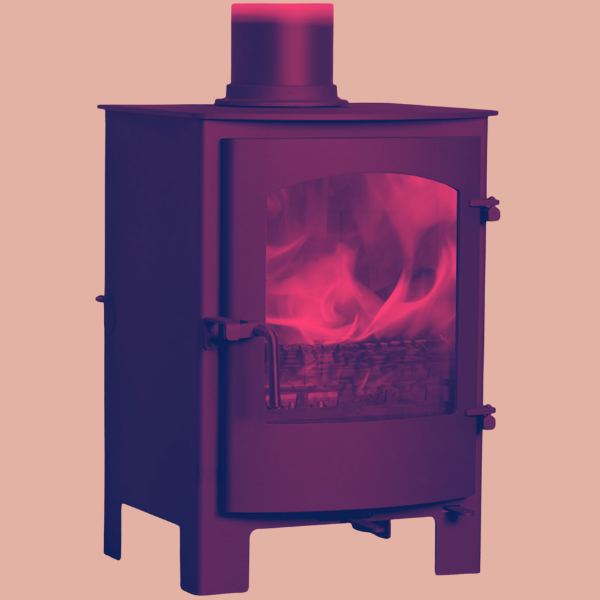
Is it possible to have real fires in London?

What kind of fireplace size and style should I buy for my house?


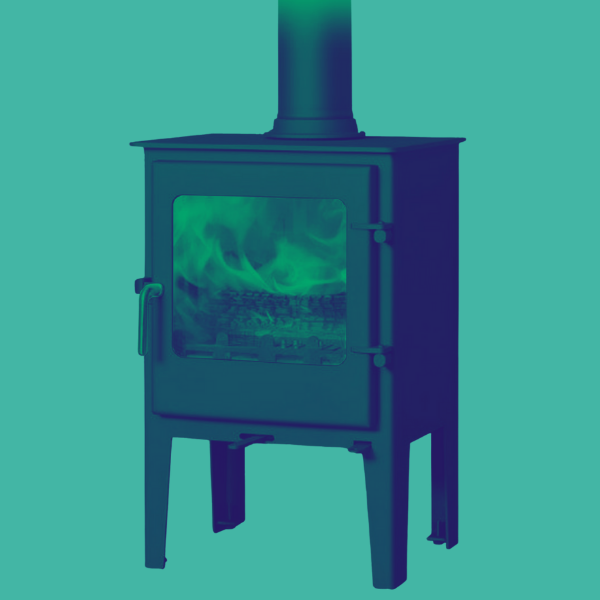
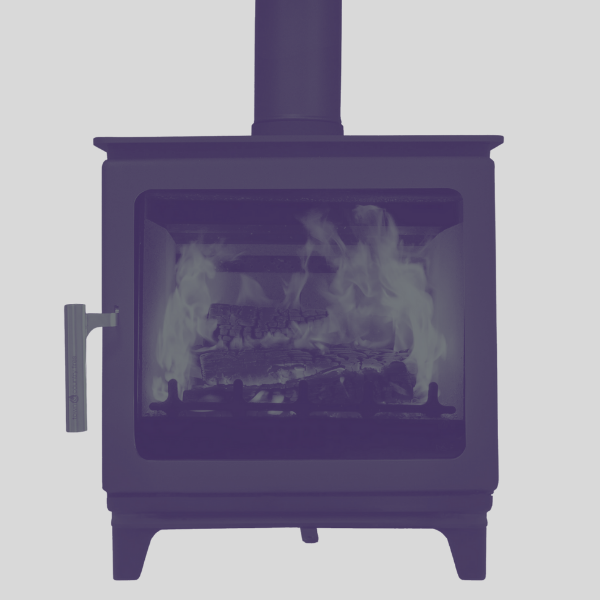
Is it possible to have real fires in London?


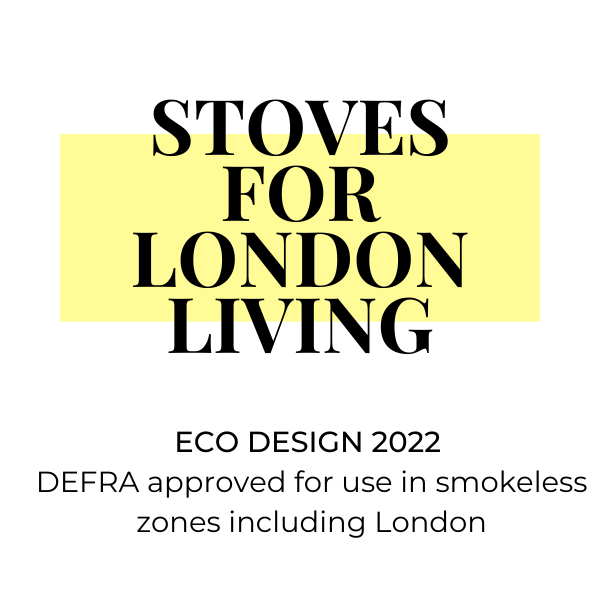
Architectural Forum Yes, provided the flue is usable and the fire installation complies with the building regulations, then it is possible to have a real open fire in a smoke control area in London if you use 'smokeless' coal or fuel, or alternatively convert your real fire to run on gas.

Virtually all of London is a 'smokeless zone', now known as a 'Smoke Control Area', where only 'smokeless' fuels are allowed to be burned in open fires. Your local authority will confirm whether or not your house is in a smoke control area.

Smokeless fuels include anthracite, coke and charcoal.


Useful Links

Defra: Am I in a Smoke Control Area?
http://smokecontrol.defra.gov.uk/locations.php

Wikipedia: Smokeless fuel
http://en.wikipedia.org/wiki/Smokeless_fuel

Time Out: London's best bars and pubs with open fires
http://www.timeout.com/london/feature/1781/londons-best-bars-and-pubs-with-open-fires

Guardian: Is it OK to have an open fire? by Leo Hickman
http://www.guardian.co.uk/money/2005/dec/13/ethicalmoney.leohickmanonethicalliving

Solid Fuel Association: Opening up an old fireplace.
http://www.solidfuel.co.uk/pdfs/opening_up_your_fireplace.pdf

Yahoo Answers 2008: Smokeless fuel fires in London - What is allowed?
http://uk.answers.yahoo.com/question/index?qid=20081016131907AAx4aGy

Fireplace History
http://www.fireplace.co.uk/text/texthistory.htm

National Association of Chimney Engineers: Lining Old Chimneys
http://www.nace.org.uk/content/technical_guide.htm

Building Conservation Directory 1999: Chimneys and Flues by Russell Taylor
http://www.buildingconservation.com/articles/services/chimney.htm


What kind of fireplace size and style should I buy for my house?


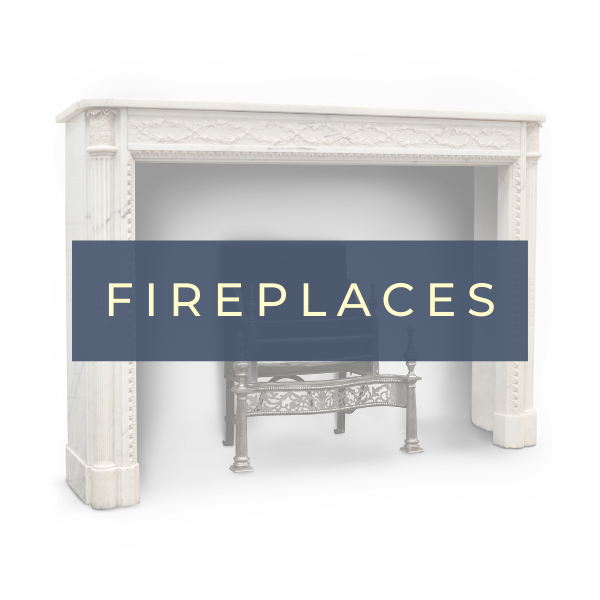
Architectural Forum We sell original antique fireplaces in style from Tudor through Georgian, Regency, Victorian, Gothic, Arts & Crafts, Art Nouveau, through to Mid-century Modern in materials ranging from marble, stone, iron and wood. We can normally supply a fireplace suitable for ninety per cent of our customer's houses.

To find the size of the original fireplace look to see if the original fireplace opening is intact beneath the wallpaper and plasterwork. Look carefully for tell-tale signs of where the elements of the fireplace may have been attached.

The principal rooms of mid to late Georgian terraced houses usually had fairly decorative white and coloured marble or pine and gesso chimneypieces, between five and six feet wide, and four or five feet high. Fireplaces in bedrooms usually would have been smaller, down to around three feet square. The predominant fashion for Regency fireplaces were the smaller and simpler neo-classical reed and roundel chimneypiece in marble, wood or sometimes iron. The firegrate would either have been a Georgian style firebasket or, later on, a wide hobgrate. Early Georgian fires would have been logs or a mixture of coal and logs, but by the 1750s most of London's fashionable houses burned coal.

Most fire surrounds for the principal rooms of London's larger Victorian terraced houses were plain marble, usually white with grey veins, with fluted or carved corbel brackets. Some houses were decorated in the French taste with Directoire and other French fireplaces. As part of the gothic revival in housing from 1840 onwards, more strikingly decorative polishable English limestones became popular in browns and greys, or in Belgian reds. Complete iron fire surrounds and integral or combination grates became common, later in the century, especially for bedrooms. Inserts which fitted inside the fire surrounds, or register grates as they were also known, started the century in the style of hob grates, but quickly became solid iron arched register grates, and then tiled grates from the 1870s onwards. The were two reasons for the increased use of iron: firstly that the industrial revolution meant that large iron casting became technically feasible, and secondly scientists such as Lavoisier and Rumford discovered that dull black iron is the best radiator of heat.

From 1865 fireplace styles followed the development of architectural style. Gothic developed into the South Kensington school, which then became Arts & Crafts, and by had flowered into the 1900 Art Nouveau, De Stijl, Secessionist and Mackintoshian movements.

Throughout the whole period from 1700 to 1920 styles went in and out of fashion, so it is quite normal to find Georgian firegrates and carved white marble Georgian surrounds made in 1890.

Every part of London had makers of slate fire surrounds, lacquered black using asphalt baked to a high temperature to look like polished black marble originally to emulate Ashford marble. Slate fire surrounds were used in most Victorian houses from 1860 onwards in a variety of mainly gothic or South Kensington school styles, many with gilt incised work or marble inlay and marble affect lacquerwork.


Copyright 2011 © Architectural Forum. Web design by Salvo Llp.


Extensive range of restored antique fireplaces in marble, wood, stone and iron with fitting service

~

Large stocks of refurbished cast iron radiators

~

Shop and pub fittings

~

Antique kitchen worktops, antique bathroom fittings

~

Antique lighting, furniture and mirrors

~

Architectural salvage, garden antiques, antique doors

~

Reclaimed bricks, reclaimed stone, reclaimed flagstones, reclaimed flooring and reclaimed building material


Open Monday to Saturday 10am - 5pm

Telephone 020 7704 0982

Architectural Forum,
314 Essex Road,
Islington,
London N1 3AX